Get Energy Audit Service
Energy audit services help property owners identify energy use issues and recommend improvements for projects like insulation, HVAC systems, and lighting upgrades.
Energy audits provide valuable insights into how properties use and lose energy, helping property owners identify opportunities for efficiency improvements. Whether planning a major renovation, upgrading systems, or simply looking to reduce ongoing energy expenses, understanding a building’s current performance is a practical first step. Local contractors specializing in energy assessments can offer tailored evaluations, ensuring that property owners have the information needed to make informed decisions about upcoming projects.
Exploring energy audit services can also be beneficial for comparing options and finding trusted local service providers. By working with experienced professionals in the area, property owners can access expert guidance on optimizing energy use and enhancing overall building performance. Keep reading to discover how local contractors can assist with energy assessments and support your property improvement goals.
- Residential Energy Audits - homeowners may need this service to identify ways to improve energy efficiency in their homes.
- Commercial Energy Audits - business owners might seek this work to reduce operational costs and optimize energy use.
- Industrial Energy Assessments - factories and manufacturing facilities may require these evaluations to enhance process efficiency.
- Building Performance Evaluations - property managers often utilize this service to assess and improve building systems.
- Energy Conservation Consultations - organizations may look for expert advice on implementing energy-saving measures effectively.
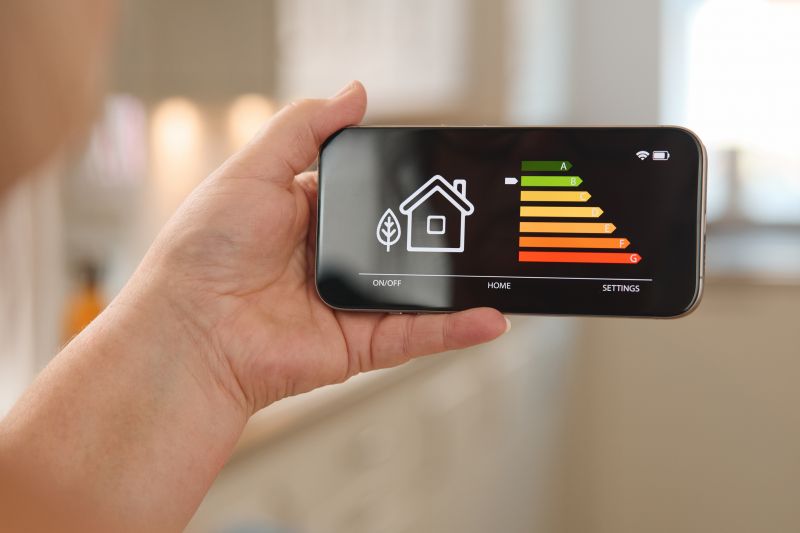
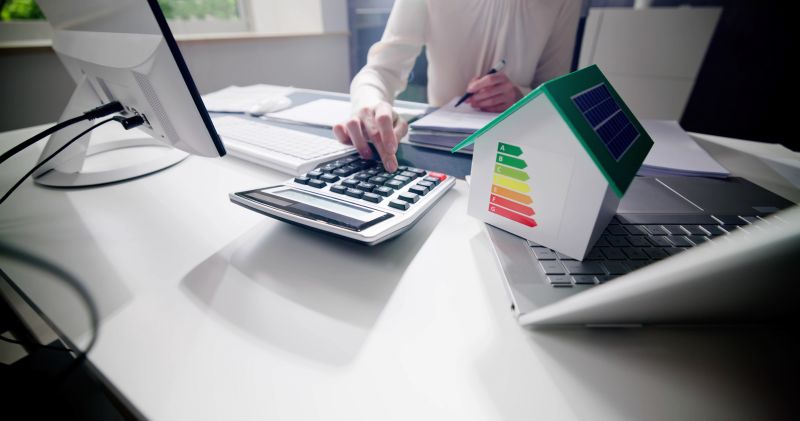
An energy audit service involves a thorough assessment of a property's energy use and efficiency. Professional contractors evaluate various aspects of a home or building, including insulation, windows, heating and cooling systems, lighting, and appliances. The goal is to identify areas where energy is being wasted and to determine opportunities for improvement. This process often includes inspecting the building’s structure and systems, as well as analyzing energy bills to gain a clear understanding of current consumption patterns.
Energy audits help address common problems such as high utility bills, uneven indoor temperatures, drafts, and inadequate insulation. By pinpointing the sources of energy loss, homeowners can make informed decisions about upgrades or repairs that can lead to better comfort and lower energy costs. Whether a property feels drafty in winter or experiences inconsistent heating and cooling, an energy audit provides the insights needed to target these issues effectively.
Typically, properties that benefit from energy audits include older homes, buildings that have undergone recent renovations, or properties experiencing rising utility expenses. Commercial buildings, multi-family residences, and new construction projects may also seek these services to optimize energy performance. Homeowners who want to improve comfort, reduce waste, or identify potential safety concerns related to energy systems often find an energy audit to be a valuable first step.
Local service providers who perform energy audits use specialized tools and techniques to gather detailed information about a property’s energy efficiency. These professionals can recommend practical improvements, such as sealing leaks, upgrading insulation, or replacing inefficient systems. Contacting experienced contractors for an energy audit can help homeowners and property managers better understand their energy use and take steps toward more efficient, comfortable spaces.
The overview below groups typical Energy Audit Service projects into broad ranges so you can see how smaller, mid-sized, and larger jobs often compare in your area.
In many markets, a large share of routine jobs stays in the lower and middle ranges, while only a smaller percentage of projects moves into the highest bands when the work is more complex or site conditions are harder than average.
Basic Energy Audits - these typically range from $250-$600 for many smaller, routine assessments. Most projects fall within this middle band, providing a general overview of energy use and opportunities for savings.
Comprehensive Inspections - more detailed audits, including equipment testing and analysis, often cost between $600-$1,200. Larger or more complex properties tend to land in this range, with fewer projects reaching higher costs.
Whole-Home Evaluations - extensive audits that assess multiple systems can range from $1,200-$3,000. These are common for larger homes or buildings seeking in-depth energy efficiency recommendations.
Specialized or Complex Projects - highly detailed or custom assessments for large commercial properties can exceed $5,000. Such projects are less frequent and involve extensive testing and analysis by local contractors.
Actual totals will depend on details like access to the work area, the scope of the project, and the materials selected, so use these as general starting points rather than exact figures.
Building Envelope Inspections - professionals assess the physical structure of buildings to identify areas of energy loss, similar to energy audits that evaluate insulation, windows, and walls.
HVAC System Evaluations - local contractors analyze heating, ventilation, and air conditioning systems to improve efficiency, aligning with energy audit practices focused on optimizing energy use.
Indoor Air Quality Assessments - service providers examine ventilation and airflow, which complements energy audits by ensuring systems operate effectively and efficiently.
Lighting Efficiency Assessments - experts evaluate lighting systems for energy consumption, a process that shares planning and analysis skills with energy audits.
Renewable Energy System Consultations - specialists advise on solar or other renewable installations, requiring similar analysis and planning skills as energy audits.
Utility Data Analysis Services - providers analyze energy usage data to identify patterns and opportunities for savings, akin to the data review component of energy audits.
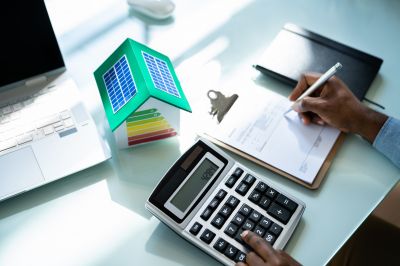
When comparing service providers for an energy audit, it’s important to consider their experience with similar projects. Homeowners should look for local contractors who have a proven track record of conducting energy assessments in homes comparable to their own. An experienced professional will be familiar with common issues and effective solutions, which can lead to a more thorough and accurate evaluation. Understanding a provider’s background in similar projects helps ensure that they are knowledgeable about the specific challenges and opportunities unique to your home’s size, layout, and features.
Clear, written expectations are essential when evaluating potential service providers. Homeowners should seek out local pros who can provide detailed descriptions of what the energy audit will include, what the process entails, and what results to expect. Having this information in writing helps prevent misunderstandings and ensures everyone is aligned on the scope of work. Clear communication about the services offered and the process helps create a transparent relationship and allows homeowners to make informed decisions.
Reputable references and good communication are key factors in selecting a reliable local contractor. Homeowners should inquire about references from previous clients who had similar work done, as this can provide insights into the quality of service and professionalism. Additionally, service providers who communicate effectively-responding promptly, explaining findings clearly, and answering questions thoroughly-are more likely to deliver a positive experience. It’s important to remember that this site introduces homeowners to local options that can handle the work, rather than performing the work itself, so choosing a well-regarded, communicative professional can make the process smoother and more successful.
Property owners use Energy Audit Service services for practical projects around their homes and businesses. This guide focuses on everyday jobs and straightforward project options.
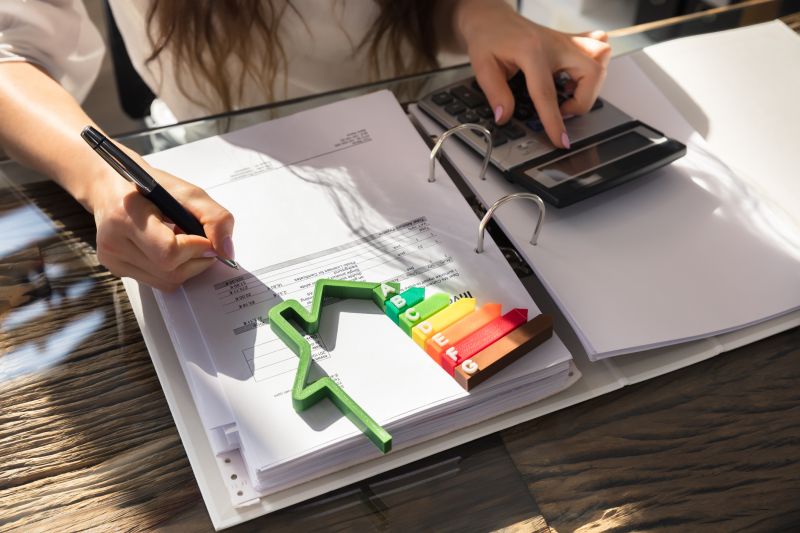
Energy audit services are often sought by property owners who notice higher-than-normal energy bills or experience uneven heating and cooling throughout their buildings. These issues can indicate inefficiencies in insulation, HVAC systems, or overall building design. Local contractors specializing in energy audits can assess the property’s current energy use, identify areas where energy is wasted, and recommend practical improvements to help reduce costs and improve comfort.
Additionally, property owners may look for energy audit services when planning renovations or upgrades to ensure their investments enhance energy efficiency. Whether upgrading windows, adding insulation, or optimizing HVAC systems, local service providers can offer expert evaluations and tailored solutions. This helps property owners make informed decisions about energy improvements that can lead to long-term savings and better building performance.
What is an energy audit? An energy audit is an assessment performed by local contractors to evaluate a property's energy use and identify areas where efficiency can be improved.
Why should I consider an energy audit? An energy audit can help pinpoint energy waste, potentially leading to reduced utility bills and improved comfort in the home or building.
What does an energy audit typically include? A typical energy audit involves inspecting insulation, HVAC systems, windows, and other factors that affect energy consumption, conducted by qualified local service providers.
How can a local contractor perform an energy audit? Local contractors use specialized tools and their expertise to analyze energy flow and recommend improvements tailored to the property’s needs.
Who can benefit from an energy audit? Homeowners and property managers seeking to optimize energy efficiency and reduce operational costs often find value in scheduling an energy audit with local service providers.
Energy Efficiency Improvements - Discover ways to enhance your property's energy performance by identifying areas where energy is being wasted.
Heating and Cooling Optimization - Learn how to make your heating and cooling systems more effective and reduce unnecessary energy consumption.
Utility Cost Reduction - Find opportunities to lower monthly utility bills through targeted energy-saving strategies recommended by local contractors.
Environmental Impact Assessment - Understand how your property uses energy and explore practical steps to improve efficiency with the help of local pros.
If you are thinking about Energy Audit Service for a property, this guide is meant to help you understand the work, the typical project types, and how different options might fit your plans.
When you are ready, you can use the quote form on this page to share a few details about your project. From there, local pros can review the basics and respond with options that match what you have in mind.